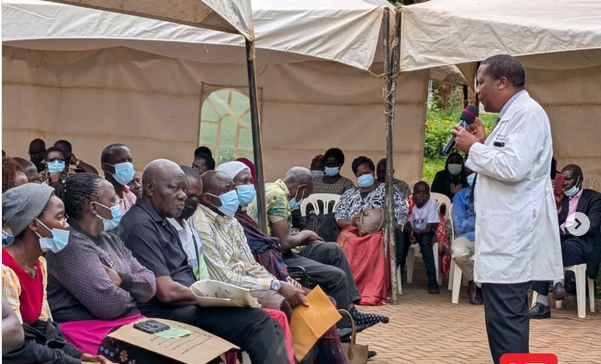
Epilepsy in Uganda: Burden, Causes, Treatment, and Challenges

6
Introduction
Epilepsy is a chronic neurological disorder characterized by recurrent, unprovoked seizures caused by abnormal electrical activity in the brain. It affects people of all ages and is one of the most common neurological conditions in low- and middle-income countries.
In Uganda, epilepsy remains a significant public health problem due to a combination of infectious diseases, birth-related complications, head injuries, and limited access to neurological care.
Epidemiology of Epilepsy in Uganda

6
Epilepsy prevalence in Uganda is estimated at about 1–2% of the population, meaning hundreds of thousands of people are affected. The burden is higher in rural areas compared to urban settings.
Key epidemiological features include:
- Higher incidence in children and young adults
- Delayed diagnosis in many patients
- High treatment gap (many patients untreated)
- Strong association with preventable causes such as infections and birth trauma
Causes of Epilepsy in Uganda

5
Epilepsy in Uganda is largely due to secondary (acquired) causes, including:
1. Perinatal injuries
- Birth asphyxia
- Neonatal hypoglycemia
- Complicated deliveries
2. Infections
- Cerebral malaria
- Meningitis and encephalitis
- Neurocysticercosis (parasitic infection)
- HIV-related CNS disease
3. Head injuries
- Road traffic accidents
- Falls and trauma
4. Structural and genetic causes
- Brain malformations
- Tumors
- Genetic epilepsies (less common locally diagnosed)
Clinical Presentation

6
Epilepsy can present in different forms:
- Generalized tonic-clonic seizures (most commonly recognized)
- Absence seizures (brief staring spells)
- Focal seizures (localized symptoms like twitching or sensory changes)
- Postictal confusion or fatigue after seizures
In Uganda, many patients present late, often after severe or repeated seizures.
Diagnosis
Diagnosis is mainly clinical, supported by investigations where available:
- Detailed history (key diagnostic tool)
- Physical and neurological examination
- EEG (Electroencephalography) – limited availability
- Brain imaging (CT/MRI) when accessible
- Blood tests to rule out metabolic causes
Treatment and Management

7
The mainstay of epilepsy treatment is anti-epileptic drugs (AEDs).
Common medications used in Uganda include:
- Phenobarbital (widely used due to affordability)
- Carbamazepine
- Sodium valproate
- Phenytoin
Management principles:
- Long-term adherence to medication
- Individualized drug selection
- Monitoring for side effects
- Patient and family education
- Avoiding seizure triggers (sleep deprivation, alcohol, stress)
Approximately 60–70% of patients can achieve good seizure control if treated appropriately.
Challenges in Uganda

5
Despite available treatments, major challenges remain:
1. Treatment gap
Many patients never reach formal healthcare systems or discontinue medication early.
2. Stigma and cultural beliefs
Epilepsy is often misunderstood as:
- Spiritual possession
- Witchcraft
- Contagious disease
3. Limited neurological services
- Few neurologists in the country
- Limited EEG and imaging services
4. Medication availability
- Stock-outs of essential drugs in rural facilities
5. Economic barriers
- Transport costs
- Long-term treatment expenses
Public Health Perspective
Addressing epilepsy in Uganda requires a multi-level approach:
- Strengthening primary healthcare diagnosis
- Training health workers in epilepsy management
- Ensuring continuous drug supply chains
- Community education to reduce stigma
- Early treatment of preventable causes (malaria, birth injuries, infections)
Conclusion
Epilepsy remains a significant but largely treatable neurological condition in Uganda. While treatment is effective for most patients, the major barriers are not medical alone but also social, economic, and systemic.
Improving awareness, strengthening healthcare systems, and reducing stigma can dramatically improve outcomes and quality of life for people living with epilepsy in Uganda.